Puppy Socialization & Puppy Obedience — Upper West Side
Puppy Socialization and Puppy Obedience Training on the Upper West Side are essential early experiences that shape how your dog learns to navigate the world.
Our Puppy Socialization classes in New York’s Upper West Side are structured, trainer-led sessions designed to support healthy social, emotional, and behavioral development during your puppy’s most important learning window.
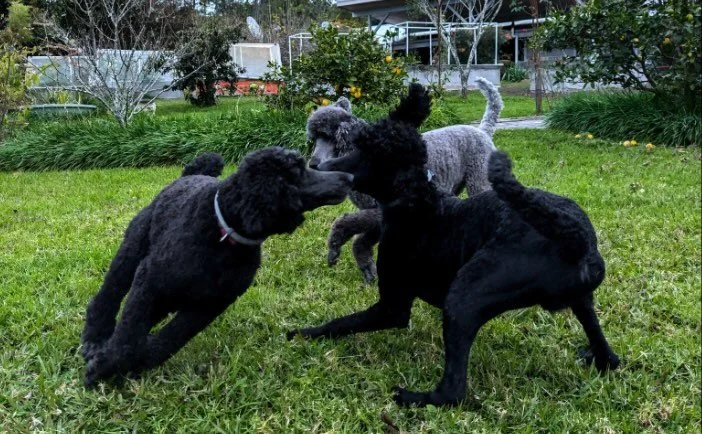
Why Puppy Socialization Matters
There is a short developmental window—generally up to about 4.5 months of age—during which a puppy’s brain is actively learning what is safe, familiar, and worth engaging with.
Our weekly Puppy Socials provide carefully managed exposure to dogs, people, and environments so puppies build confidence without becoming overwhelmed.
What Puppy Socials Are (and Are Not)
Puppy Socials are not unstructured free-for-all play sessions. They are moderated experiences that balance short play interactions with rest, observation, and regulation.
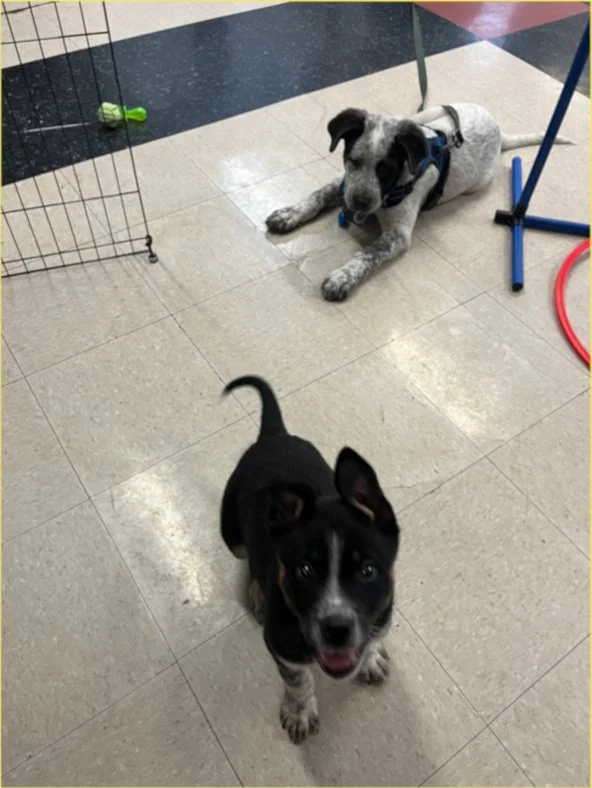

What You Can Expect
- Supervised puppy-to-puppy interactions
- Exposure to new sounds, surfaces, people, and environments
- Confidence-building and emotional regulation exercises
- Early foundations such as sit, stay, and recall
- Planned rest to prevent overstimulation
Areas We Serve
PJH Dog Training proudly serves dog owners throughout Manhattan, with a strong focus on the Upper West Side and surrounding neighborhoods.
Our in person training programs—including puppy socialization, group obedience classes, private in home training, and behavior modification—are designed specifically for the realities of New York City living: crowded sidewalks, apartment buildings, elevators, parks, and constant environmental stimulation.
Primary Service Areas
- Upper West Side
- Upper East Side
- Midtown Manhattan
- Morningside Heights
- Harlem
- Hamilton Heights
- West Harlem
- Central Park West Corridor
Group classes and Puppy Socials are held at our Upper West Side training location near 93rd Street and Broadway, providing a consistent, structured environment for learning.
Why Local Training Matters
Dog training in New York City is fundamentally different from suburban or rural models. Success here depends on teaching dogs how to remain calm, responsive, and confident in high-distraction environments.
By serving a focused geographic area, we tailor training to busy sidewalks, elevators, apartment living, park exposure, and the noise levels that are part of everyday life in Manhattan.
Looking for Dog Training Near You?
If you’re searching for dog training near you in Manhattan and are unsure whether your neighborhood falls within our service area, we’re happy to help.
Availability for in home training may vary by location and scheduling. Group classes follow fixed locations and times.
Puppy Training – Frequently Asked Questions
1. What is puppy socialization?
Puppy socialization is the process of exposing your puppy to new experiences, people, animals, and environments in a controlled and positive way. This helps them develop confidence and prevents fear-based behaviors later in life.
2. When should I start socializing my puppy?
Begin as early as 8 weeks old, focusing on the critical period between 3 and 14 weeks. This is when puppies are most receptive to new experiences.
3. Should my puppy be socialized before or after it has had all of its shots?
Socialization should begin before your puppy has received all their shots. Waiting until after 16 weeks means missing the critical developmental window. Safe early socialization includes meeting vaccinated, well-behaved dogs in controlled environments and attending classes that verify vaccination status.
4. Can I socialize my puppy before they are fully vaccinated?
Yes, but do so safely. Avoid high-risk areas like dog parks or public sidewalks and focus on environments with vaccinated, friendly dogs and structured puppy social settings.
5. How can I make socialization a positive experience?
Use treats, praise, and toys to reward your puppy for calm and curious behavior during new experiences. Never force your puppy into situations that scare them.
6. What if my puppy seems scared during socialization?
Respect your puppy's boundaries and go at their pace. Create distance from the scary stimulus, and use treats and a calm tone to reassure them. Gradually reintroduce the experience in smaller, less intimidating steps.
Puppy Health – Frequently Asked Questions
7. When should my puppy visit the vet?
Puppies should visit the vet for vaccinations, deworming, and a health check-up by 6–8 weeks of age.
8. What should I feed my puppy?
High-quality puppy food appropriate for their size and breed. Consult your vet for specific dietary recommendations.
9. How often should I feed my puppy?
Puppies need 3–4 meals a day until about 6 months old, then transition to two meals daily.
10. Why is my puppy chewing everything?
Chewing is normal, especially during teething. Provide safe chew toys and puppy-proof your home to prevent damage and protect your belongings.
11. What are the signs that my puppy might be sick?
Signs of illness include vomiting, diarrhea, loss of appetite, lethargy, coughing, sneezing, difficulty breathing, or unusual behavior. Consult your veterinarian promptly if you’re concerned.
Puppy Behavior – Frequently Asked Questions
12. Why does my puppy cry at night?
Puppies often cry due to loneliness or anxiety. Keeping their crate near you can help them feel more secure during the adjustment period.
13. How do I stop my puppy from jumping on people?
Teach your puppy to sit for attention. Ignore jumping and consistently reward calm behavior to reinforce polite greetings.
14. How do I handle separation anxiety in my puppy?
Gradually acclimate your puppy to being alone by starting with short absences and slowly increasing duration, always pairing departures with positive reinforcement.
15. Why does my puppy pull on the leash?
Pulling is usually driven by excitement. Using a front-clip harness and rewarding loose-leash walking helps teach better walking habits.