Reactive Dog Training Upper West Side
Riverside Park. Central Park West. Narrow side streets and neighbors sharing your elevator. In-home and on-leash reactive dog training on the Upper West Side — in the actual environments that push your dog over threshold.

Why reactive training on the Upper West Side is different
The Upper West Side has one of the highest dog-ownership rates in New York City. That’s the core of the problem. Between Riverside Park, Central Park West, and the side streets connecting them, a UWS dog on a 20-minute walk might encounter more dogs than a suburban dog sees in a week.
Add the park-entrance clusters — where dogs and handlers bottleneck at the same gates every morning — and the pre-war buildings where narrow landings and shared stairwells make avoidance nearly impossible, and you have a neighborhood where reactive dogs struggle constantly.
Training that works here has to be built around these specific conditions. Not a training facility. Not a program designed for a backyard. The Upper West Side demands Upper West Side solutions.
How the Upper West Side overloads reactive dogs
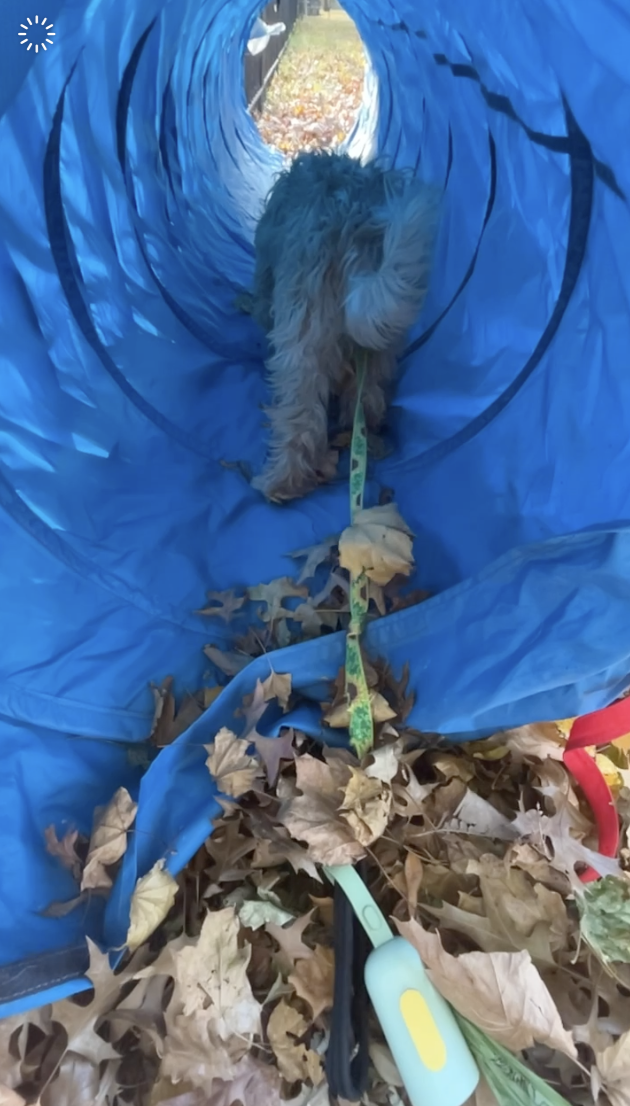
Before your dog reaches the sidewalk on a typical UWS morning, they’ve already processed a lobby with doorman traffic, an elevator that smells like three other dogs, and a building entrance where someone walked a 90-pound German Shepherd twenty minutes ago.
By the time they hit 77th Street, they’re already close to capacity. When a dog appears at the Riverside Park entrance — exactly where every other dog in the neighborhood funnels through — the tank is full. One more thing tips it. That’s not a dramatic moment. That’s Tuesday morning on the Upper West Side.
We work on what accumulated before the trigger ever appeared — not just the trigger itself. And we do it on the blocks and in the parks where your dog actually lives, not in a controlled environment designed to reduce the difficulty.
The work begins before you leave the building
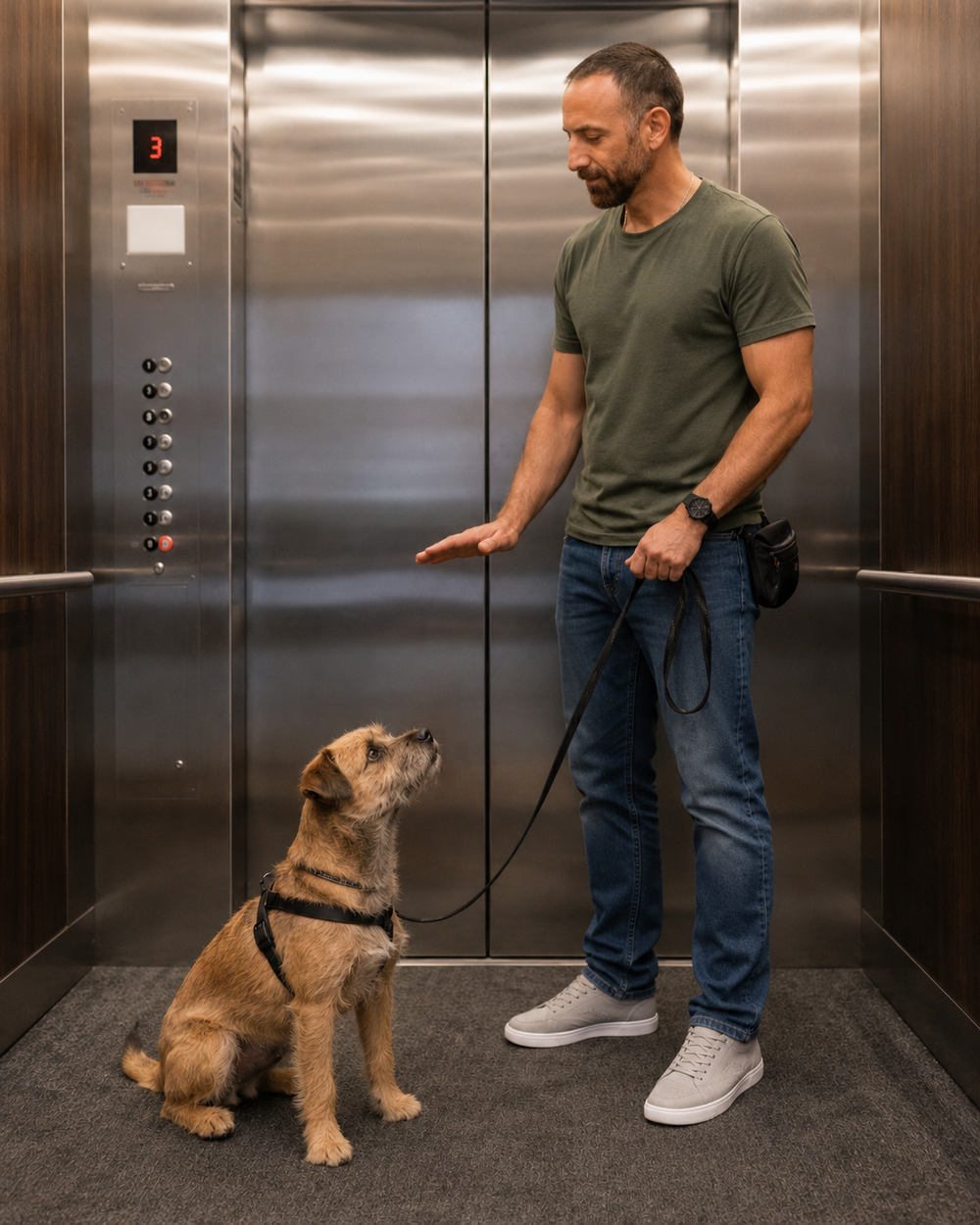
Reactive dogs on the Upper West Side don’t only react on the sidewalk. The elevator ride, the doorman greeting, the entrance where three other dogs walked past in the last hour — those are the moments that stack arousal before the outside world ever appears.
We work inside your actual building — the elevator you use, the lobby you cross, the hallway your neighbor’s dog walks. Calm entry, calm transit, calm exit. It’s the piece most trainers can’t do because they can’t come inside.
How we modify reactive behavior on the Upper West Side
-
Walk the route, map the breakdown points
We walk your dog’s actual daily route and observe where things fall apart — not where you think they might. The 79th Street Riverside entrance at 8am. The stretch of Amsterdam where a dog lives behind a gate. The elevator ride where your neighbor boards with their dog at the last second.
-
Exposure at the right distance, in the right place
We position your dog on the Riverside Drive path, or across from the CPW park entrance, or outside your lobby — at whatever distance keeps them functional. Then we work at that distance until the trigger stops causing a response before moving closer.
-
Catch it before it happens
We show you exactly what your dog looks like ten seconds before the lunge — on your specific block, with your specific triggers. You’ll know when to give space, when to turn, and when to wait — even on a narrow UWS side street.
-
Your body on a crowded sidewalk
At Columbus and 83rd. At Broadway during the farmer’s market. At the Riverside Drive crossing with cyclists coming both ways. We work your positioning, leash handling, and movement in the actual spots where you need it — not a parking lot.
-
Hold it across the whole neighborhood
What works at the 79th Street entrance has to hold at the 72nd Street entrance, at the 86th Street crosstown, and in your building after a busy morning. We keep working until it does — across every zone your dog regularly moves through.
What progress looks like on Upper West Side walks
Here’s what UWS clients notice as training takes hold:
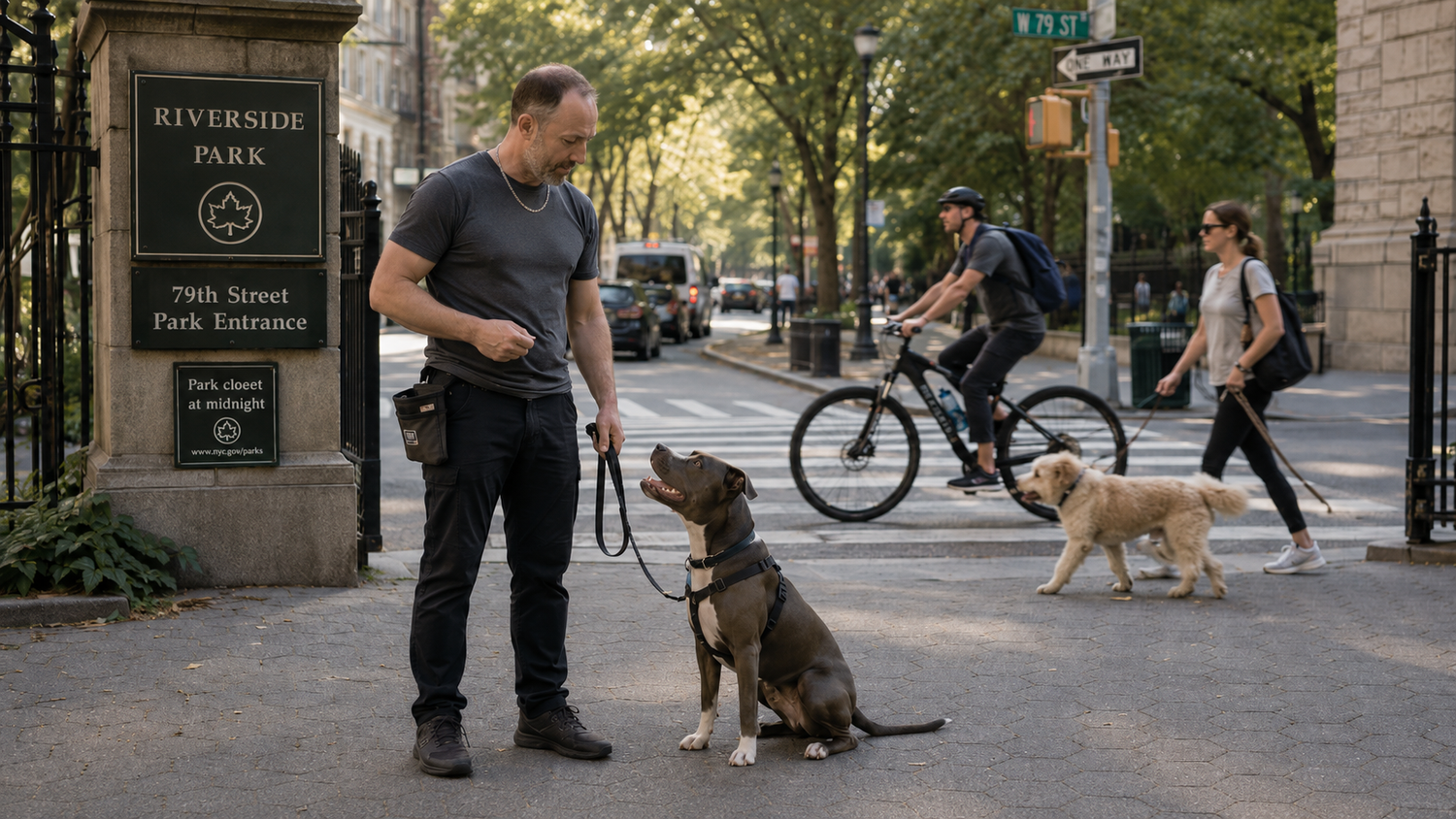
- Passing dogs at the Riverside Park entrance without a meltdown
- Elevator rides with a neighbor’s dog — calm entry, calm exit
- CPW crossings without scanning and loading before the light changes
- Cyclists and Citi Bikes on the park path without a reactive spike
- Sunday morning Broadway farmer’s market — navigable instead of dreaded
- Lobby exits without pre-loading at the door before hitting the sidewalk
These are common outcomes, not guarantees. Reactivity is managed rather than “cured,” and progress varies with each dog’s history, severity, and how consistently the plan is practiced between sessions. Some dogs need ongoing management for specific triggers.
Reactive Resilience Therapy™ for Upper West Side dogs
Reactive Resilience Therapy™ — our force-free behavior modification framework for dogs whose reactivity is driven by an overloaded nervous system — is explained in full on our Reactive Dog Training Manhattan page. On the Upper West Side, this is what it looks like in practice.
Threshold work at the Riverside Park 79th Street entrance before the morning cluster peaks. Counter-conditioning drills on CPW during moderate cyclist traffic — real bike lane conditions, not a quiet practice route. Building sessions in your actual elevator, timed around your neighbor’s walk schedule. Every exposure is engineered for your dog’s specific UWS environment, not a generic protocol applied to a familiar neighborhood.
The goal isn’t a dog that tolerates the Upper West Side. It’s a dog that moves through it.
Types of UWS reactivity we help with
The Upper West Side produces a predictable set of reactive presentations. Here’s what we see most often:
Lunging and barking at other dogs — especially at park gates where dogs cluster.
High-rise and pre-war buildings make elevator encounters unavoidable.
Riverside Park paths and CPW bike lanes bring fast-moving triggers constantly.
Delivery workers, joggers, people in hoods — dense foot traffic raises the floor.
Holds it together on the block, then falls apart at the Riverside or CP entrance.
Ambulances, crosstown buses, construction — the UWS noise floor is relentless.
Where we train on the Upper West Side
We train in person throughout the Upper West Side — in your building, on your exact blocks, and in the real-world trigger zones where your dog is most likely to struggle.
-
Riverside ParkEntrances, narrow paths, dog-run traffic — the highest-density cluster on the West Side.
-
Central Park WestPark entrances, crosswalk bottlenecks, avenue noise, and feeder side streets.
-
Broadway CorridorBusy crosswalks, delivery bikes, outdoor dining, farmers-market congestion 72nd–96th.
-
Amsterdam & ColumbusTight sidewalk passes, stoop activity, corner surprises, and high foot traffic.
-
Riverside DrivePark-adjacent blocks with joggers, cyclists, and dogs emerging from side streets.
-
Your BuildingLobby, elevator, hallway, doorman area, and tight interior turns.
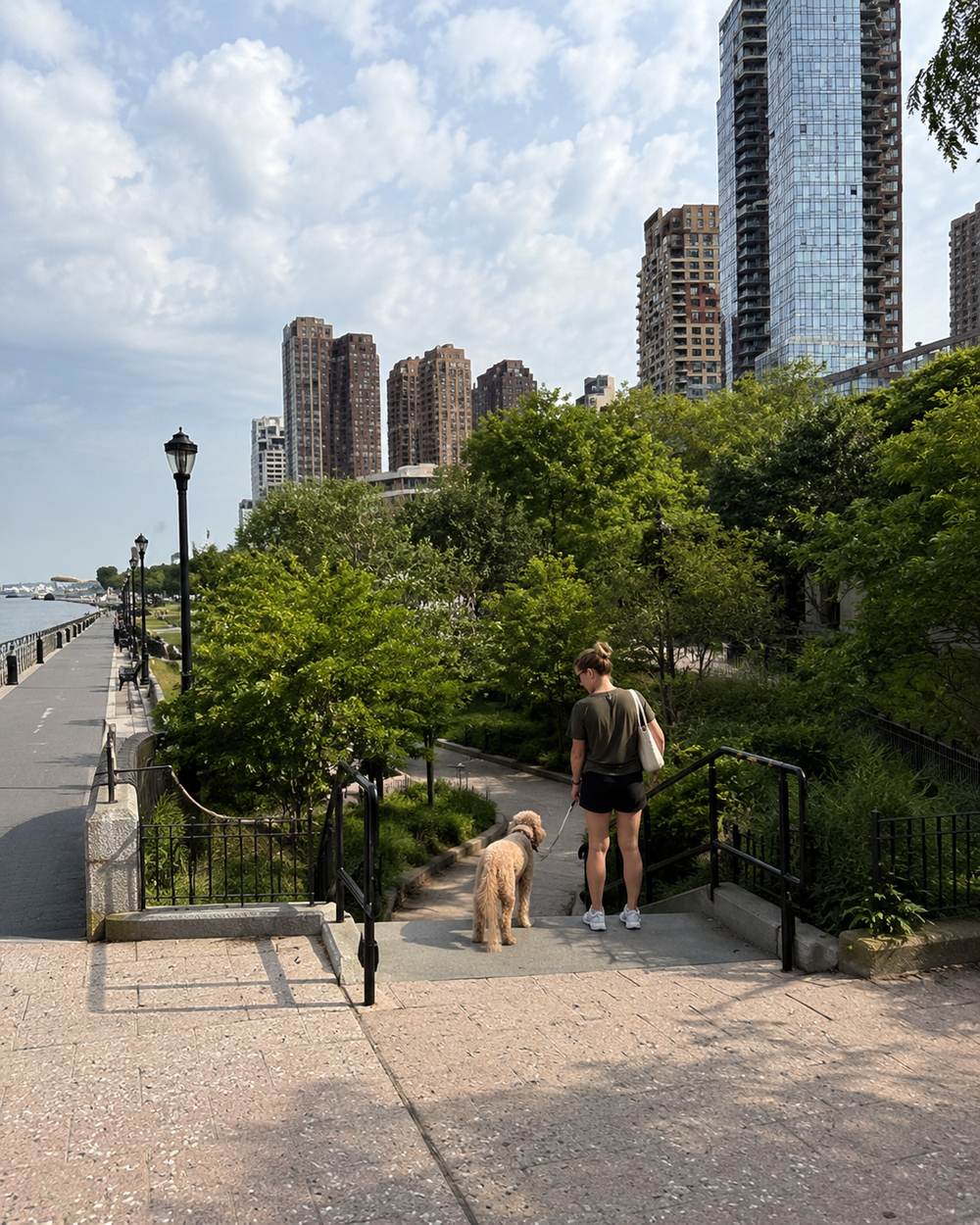
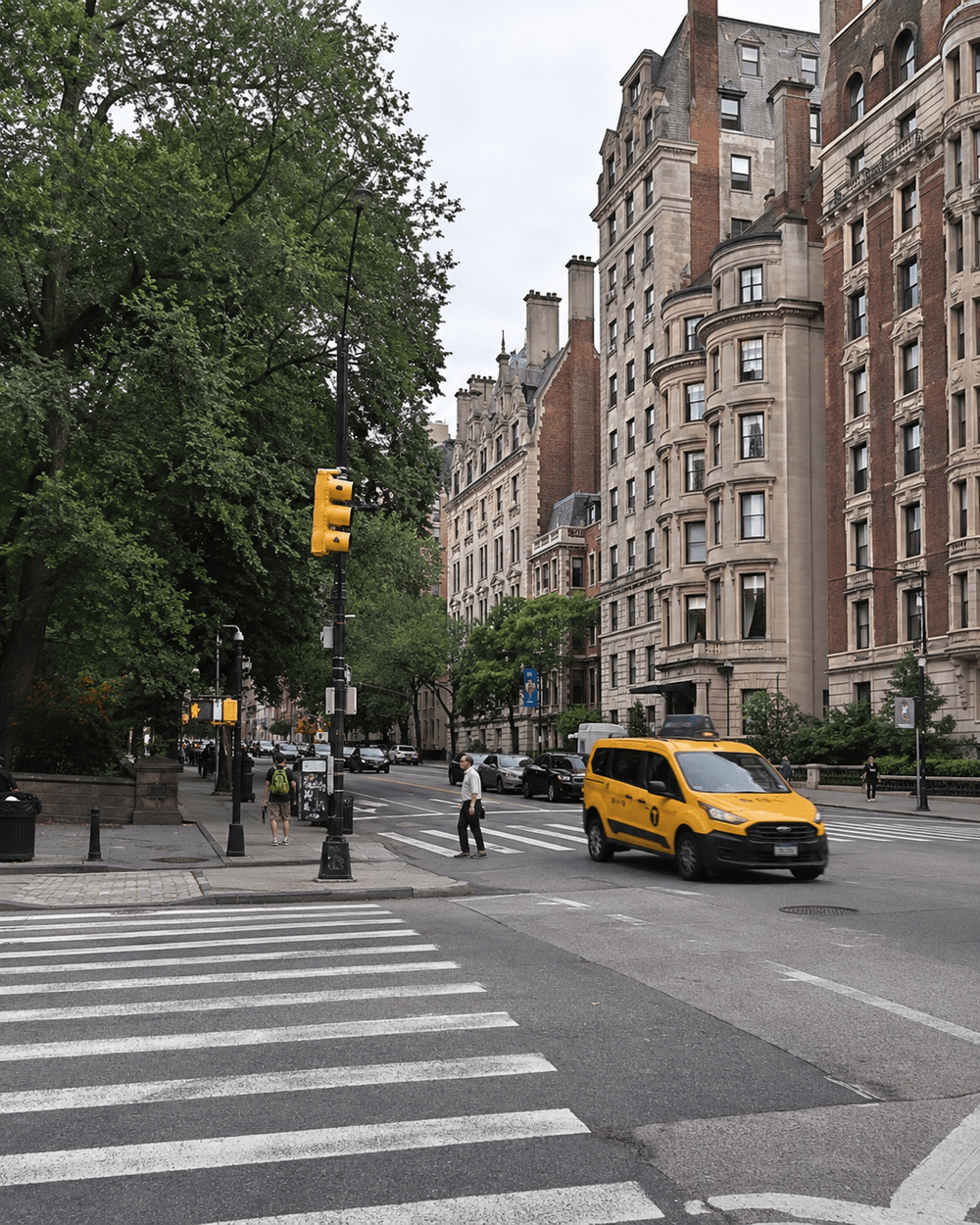
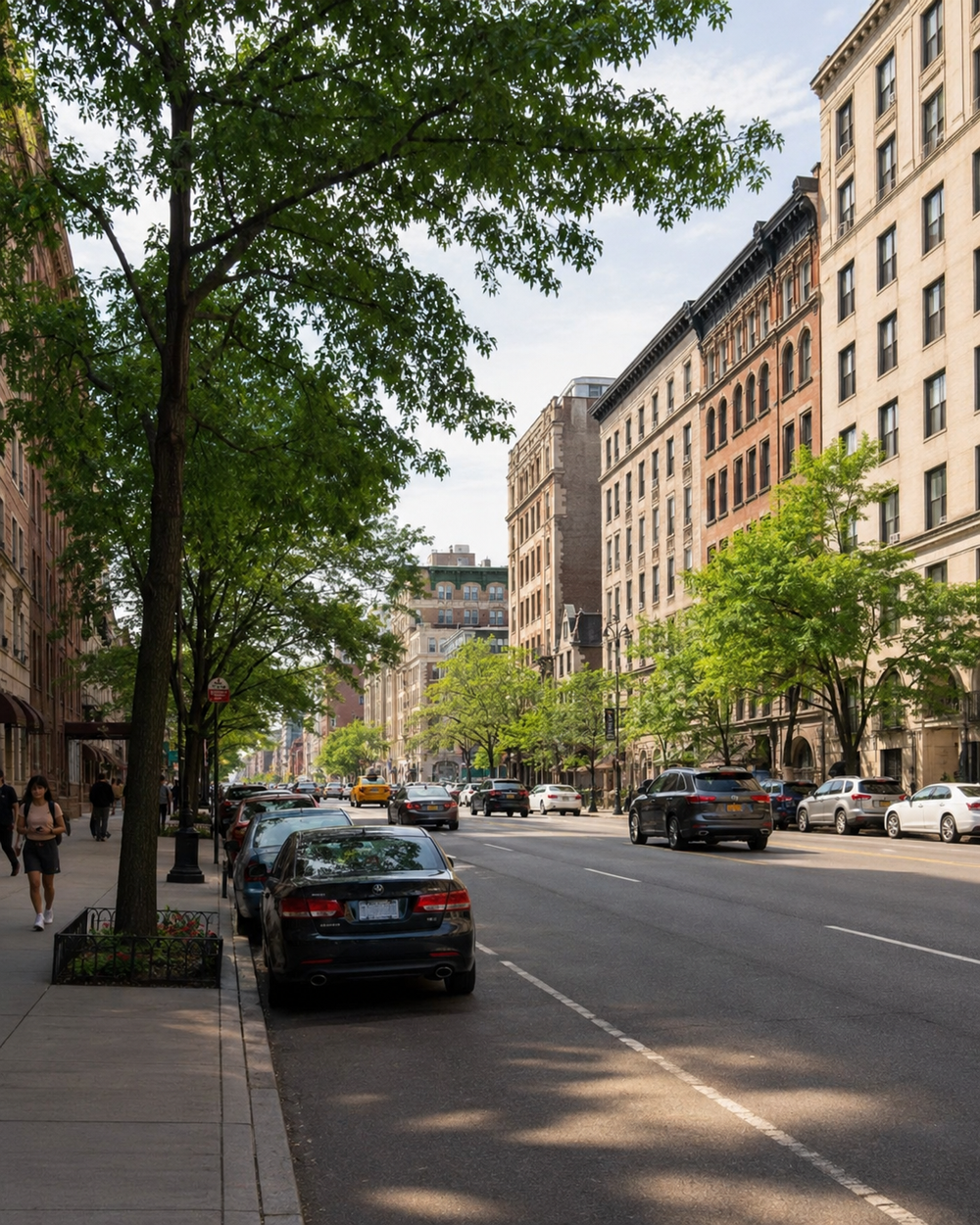
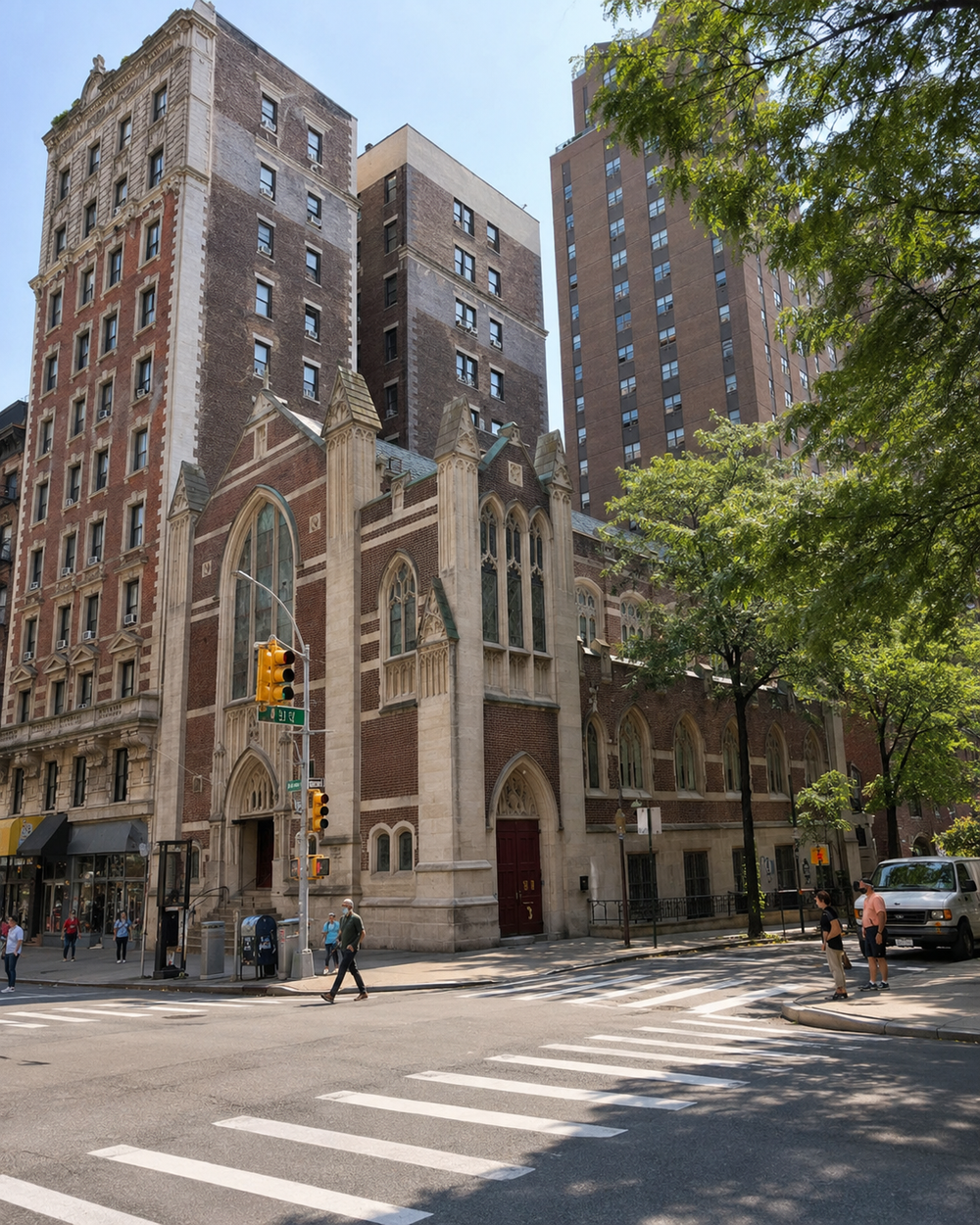
We cover the full Upper West Side from 59th to 110th Street. If your dog struggles in a UWS building, on a busy avenue, or at a neighborhood park entrance, we can train there.
Real Upper West Side stories
Our dog would lose it at the Riverside Park entrance every single morning. Other dogs, cyclists, strollers — it didn’t matter. After working with PJH on that exact entrance, she walks in like it’s nothing. I still can’t believe it.
— Megan L., Riverside Drive
We live in a pre-war building on West 86th. Narrow hallways, one elevator, neighbors with dogs on every floor. Pepe trained us inside the building — in our actual elevator. That’s what made the difference.
— Tom & Rachel K., West 86th Street
I searched “reactive dog training Upper West Side” and found PJH Dog Training. What sold me was that they train on your actual block. Not a facility. Our walks on CPW are completely different now.
— Diana F., Central Park West
Biscuit was impossible near cyclists on the Riverside path. Now I can take him on a Saturday when it’s packed. The change happened faster than I expected once we started working in the park itself.
— Carlos M., West 79th Street
How reactive training on the Upper West Side works
-
On-site route assessment
We walk your dog’s actual UWS route — from your building door to your park entrance — and observe where breakdown happens in real time. We map the specific trigger points: the clustering spot at the Riverside 79th Street entrance, the blind corner at Columbus and 83rd, the elevator floor where your neighbor’s dog boards every morning. That map is the training plan.
-
Building & lobby protocols
If in-building reactivity is part of the picture, we work it first — in your actual building. Elevator timing drills. Lobby entry and exit positioning. Hallway approach work in your pre-war stairwell or high-rise corridor. Calm entry, calm transit, calm exit before we step onto the sidewalk.
-
Park approach & threshold sessions
We work the approach routes to Riverside Park and Central Park West at the specific distances and times where your dog begins to load. Real entrances. Real trigger density. Real timing — including peak hours when the morning cluster is largest and avoidance is least possible. We train in the hard moments, not around them.
-
Street-level handler execution
On Amsterdam, Columbus, and Broadway — with live traffic, real dogs, and real proximity — we work your mechanics in the moment. Positioning before the encounter. Leash transitions when a dog appears at the crosswalk. Body movement on a sidewalk with no room to maneuver. You leave each session with skills you can use the next morning.
Reactive dog training Upper West Side — FAQs
Is reactive dog training on the Upper West Side different from training in other Manhattan neighborhoods?
Reactive dog training Upper West Side is shaped by the neighborhood’s specific geography — Riverside Park, Central Park West, and the dense residential side streets between them. UWS dogs encounter high dog-ownership density, narrow sidewalks, park entrances with clustering dogs, and busy crosswalks near Broadway and Amsterdam. In-home training here must account for these location-specific triggers rather than generic protocols.
Do you train reactive dogs near Riverside Park and Central Park West?
Yes. Riverside Park and Central Park West are two of the highest-trigger zones on the Upper West Side. Sessions frequently take place at the park entrances, along the paths, and on the surrounding blocks where your dog’s reactivity is most pronounced. Training happens in your dog’s actual environment, not a controlled facility.
How does in-home reactive dog training work in Upper West Side apartments?
In-home reactive dog training UWS begins inside your apartment and building before progressing to the hallways, elevator, and street. For dogs in pre-war buildings with shared landings or high-rise co-ops with elevator exposure, this is where behavior modification must start. We work in your actual building, then expand into the outdoor environments where triggers occur.
What types of reactivity do UWS dogs commonly show?
Upper West Side dogs most commonly show dog-directed reactivity, leash reactivity near park entrances, elevator and lobby reactivity, and sensitivity to cyclists and scooters on the park paths. High dog-ownership density on the UWS means trigger exposure is nearly constant.
How long does reactive dog training take for an Upper West Side dog?
Progress depends on severity, consistency, and how often your dog encounters triggers. For most Upper West Side dogs, meaningful improvement in threshold and leash behavior becomes visible within several weeks of consistent work. Full generalization across Riverside Park, CPW, and building spaces may take longer depending on the individual dog.
Do you use force-free methods for reactive dog training on the Upper West Side?
Yes. All sessions use science-based, force-free behavior modification. We do not use prong collars, shock collars, or punishment-based corrections. Reactivity is addressed through counter-conditioning, desensitization, and threshold management — the methods with the strongest evidence base for lasting change.
Can you help with elevator reactivity in Upper West Side apartment buildings?
Yes. Elevator reactivity is one of the most common presentations we see in UWS high-rise and pre-war buildings. Behavior modification for elevator reactivity includes desensitization to confined spaces, proximity triggers, and unpredictable encounters with neighbors and their dogs. We work in your building’s actual elevator and lobby.
What is Reactive Resilience Therapy™ and is it used for UWS dogs?
Reactive Resilience Therapy™ is our behavior modification framework for dogs whose reactivity is driven by an overloaded nervous system. It is applied directly to the Upper West Side environment — raising your dog’s arousal threshold through structured, real-world exposure in the actual parks, blocks, and building spaces where reactivity occurs.
Written & reviewed by a certified specialist

References & further reading
The force-free, counter-conditioning approach described on this page reflects the current professional evidence base for treating fear- and frustration-based reactivity:
- American Veterinary Society of Animal Behavior (AVSAB). Position Statement on Humane Dog Training (2021).
- AVSAB. Position Statement on the Use of Punishment for Behavior Modification in Animals.
- Ziv, G. (2017). The effects of using aversive training methods in dogs—A review. Journal of Veterinary Behavior, 19, 50–60.
- Herron, M.E., Shofer, F.S., & Reisner, I.R. (2009). Survey of the use and outcome of confrontational and non-confrontational training methods in client-owned dogs showing undesired behaviors. Applied Animal Behaviour Science, 117(1–2), 47–54.
- Blackwell, E.J., Twells, C., Seawright, A., & Casey, R.A. (2008). The relationship between training methods and the occurrence of behaviour problems in a population of domestic dogs. Journal of Veterinary Behavior, 3(5), 207–217.
- Overall, K.L. (2013). Manual of Clinical Behavioral Medicine for Dogs and Cats. Elsevier / Mosby.